“Oh, I didn’t realize they had a program there.”
A patient recently asked me where I went to school. I told him I graduated from a local community college.
He paused for a second and said, “Oh, I didn’t realize they had a program there.”
Then, without missing a beat, he added, “I’m sure your training is just as good even though you didn’t go through a specialized program.”
I remember standing there thinking… wait a second. A moment ago, you didn’t even know the program existed. Now, suddenly you’re confident enough to judge the quality of my education?
His wife happened to be a retired dental hygienist who later became a dentist, which made the comment even more surprising.
I smiled, finished the appointment, and moved on.
But the conversation stayed with me. And not because I felt the need to defend where I went to school. But it reminded me how little most people know about becoming a dental hygienist.
And I don’t blame them. Unless you work in dentistry, you’ve probably never had a reason to think about what goes into our education.
Dental hygiene education is more standardized than many people realize
Whether a student attends a community college, a university, or another accredited institution, every accredited program must meet rigorous educational standards before graduates are even eligible to pursue licensure.
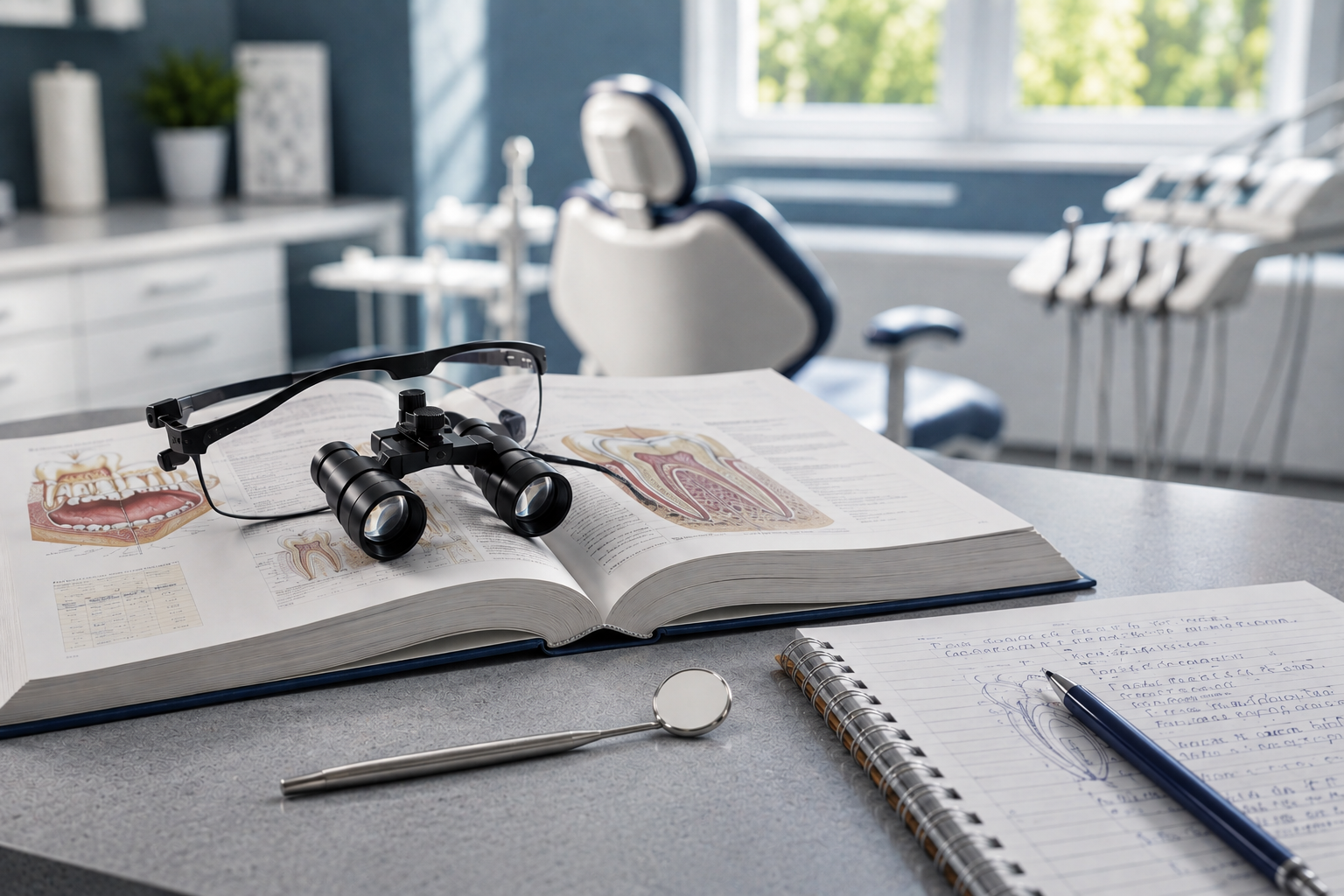
Students spend years studying anatomy, physiology, microbiology, pathology, pharmacology, radiology, periodontology, medical emergencies, and much more while developing the clinical skills required to care for patients safely.
The campus may look different. The educational standards do not.
Becoming a dental hygienist involves much more than learning to clean teeth
This is where I think many misconceptions begin. Patients see us cleaning teeth, taking radiographs, and talking about oral health.
What they don’t see is everything that came first.
- Years of science courses
- Hours in pre-clinical labs before ever touching a patient
- Clinical rotations
- Competency evaluations
- National board examinations
- Clinical licensing exams
- Medical emergency training
- Learning how oral health connects to overall health
- Developing the judgment to recognize when something isn’t normal
There’s a reason dental hygienists are licensed healthcare professionals. Our education prepares us to do much more than scale and polish teeth.
>>Read: Why Dental Hygiene Is More Exhausting Than It Looks<<
Community college isn’t the story
The patient’s comment happened to be about a community college. It could just as easily have been about any accredited dental hygiene program.
For many students, community college is a practical and affordable path into the profession. Others choose universities.
Either way, graduates still complete accredited education, pass licensing examinations, and meet the same professional standards before they can care for patients independently.
The initials after our names don’t tell you where we went to school. They tell you we earned the right to be there.
The learning continues long after graduation
Dental hygiene doesn’t stop changing once we receive our license.
✔️Research evolves
✔️Technology changes
✔️Best practices improve
That’s why continuing education is part of our profession. We’re expected to keep learning throughout our careers so we can continue providing safe, evidence-based care to our patients.
Graduation is the foundation, not the finish line.
>>Read: What I Wish I Knew as a New Grad Dental Hygienist<<
Why this matters
Most people don’t mean to underestimate dental hygienists. They’ve just never been shown everything that happens before we ever sit down beside a patient.
The more people understand the education behind the profession, the easier it becomes to appreciate the knowledge, clinical judgment, and responsibility dental hygienists bring to patient care every day.
The Takeaway
That patient probably forgot our conversation before he pulled out of the parking lot.
I haven’t.
It reminded me that dental hygiene is one of those professions people see every day without always realizing what’s happening behind the scenes.
Patients see an hour in the chair.
They don’t see the years of education, clinical training, licensing examinations, and continuing education that make that hour possible.
Maybe that’s why comments like his happen. Not out of disrespect. Out of unfamiliarity.
And maybe the more we talk about what dental hygienists actually do (and what it takes to become one), the more people will understand the profession for what it really is. 💜
Just starting your dental hygiene career?
Whether you’re still in school or preparing for your first job, the transition into clinical practice comes with a learning curve that no textbook can fully prepare you for.
I created my New Dental Hygienist Starter Kit to help make those first months a little less overwhelming. Inside you’ll find practical tips, helpful resources, and encouragement from someone who’s been there.
💙 Download your free Starter Kit below