One Thursday afternoon, my last patient of the week stood up from the chair, grabbed the counter, and rubbed his lower back.
“When you’ve done landscaping for 30 years,” he said, “your back hurts.”
He went on to tell me about an implant he had to help manage his pain.
And truthfully? My first reaction wasn’t particularly compassionate.
My back hurt too.
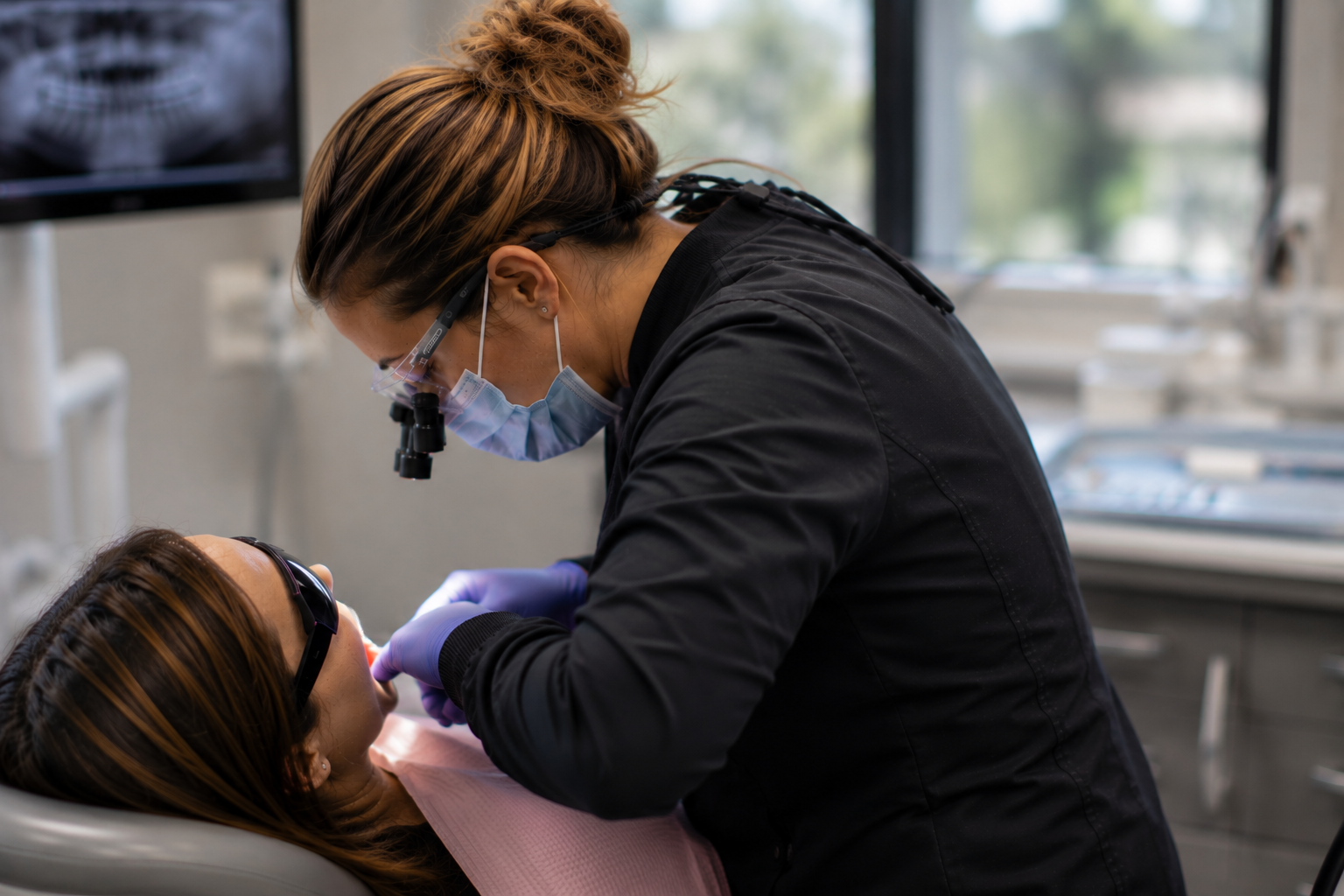
He was a larger patient who needed to stay closer to semi-reclined, and after more than an hour of working around that position, I could feel it.
For a split second, I wanted to say, “Really? Because my back hurts right now, too.”
Of course, I didn’t.
Because I never doubted his pain. Years of landscaping had clearly taken a toll on his body.
What stood out to me was how easy it is for people to recognize the physical demands of some jobs while completely overlooking others.
Most people understand why a landscaper’s back might hurt after decades of work.
Far fewer people think about what happens when you spend years leaning, reaching, twisting, focusing, and holding the same positions for hours at a time.
Dental hygiene doesn’t always look physically demanding from the outside.
But that doesn’t mean it isn’t.
The Work Is Constant
A while back, I made a social media post joking about the excitement hygienists feel when their last patient of the day cancels.
The joke was simple. I looked thrilled.
Then a new patient walked out of the doctor’s room, and my expression immediately changed.
One comment stuck with me:
“Oh no, God forbid you actually do your job.”
The comment highlighted a common misconception about dental hygiene.
Many people assume a cancellation means a break.
Most hygienists know that’s rarely the case.
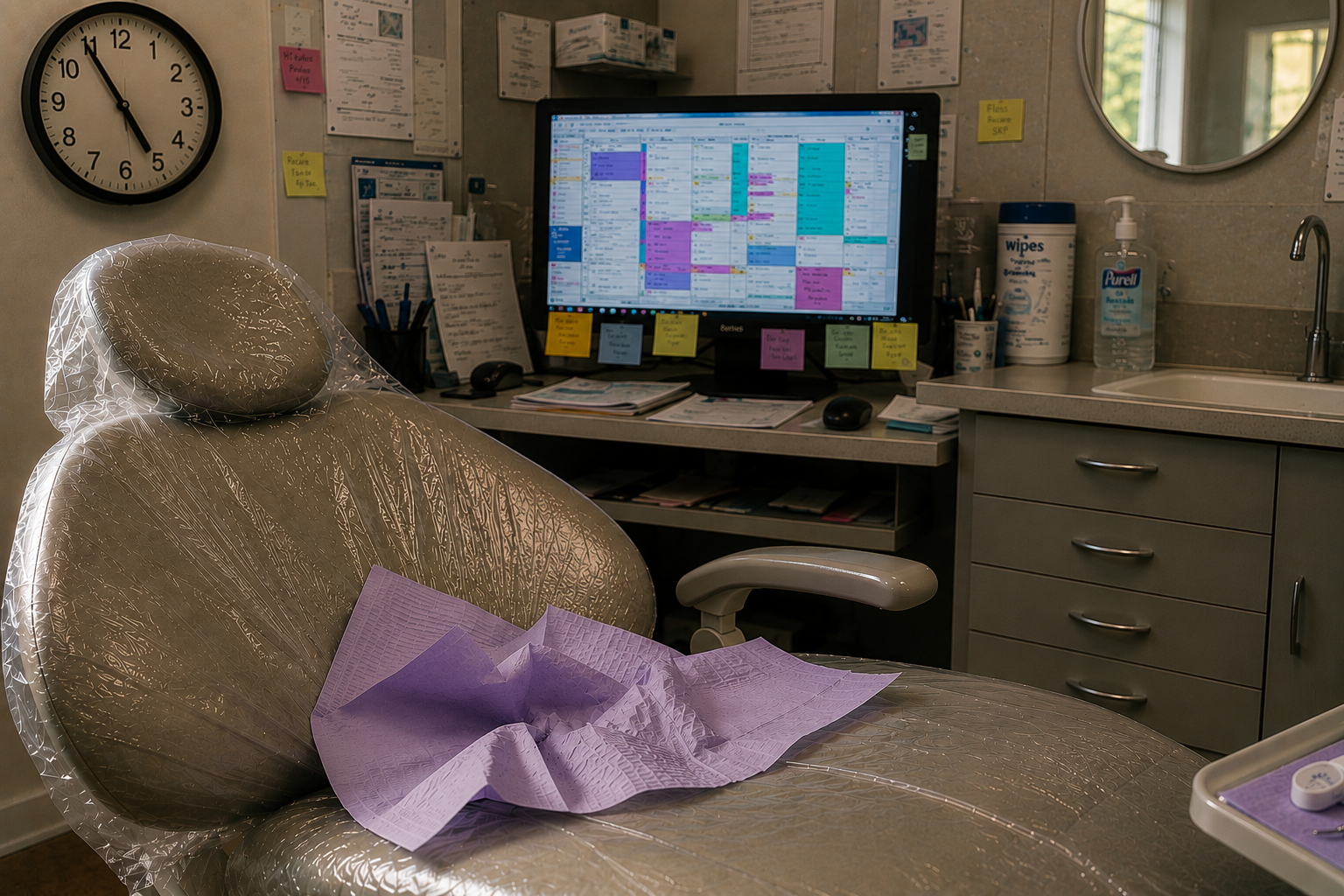
Patients are scheduled back-to-back. We arrive early to prepare rooms and review charts. Lunches get shortened. Appointments run over. Many hygienists stay late finishing notes, turning over rooms, or helping coworkers.
Even a patient cancellation doesn’t necessarily create downtime. It creates an opportunity to catch up.
Sterilization. Sharpening instruments. Restocking supplies. Making phone calls. Reviewing charts. Helping coworkers. Following up on treatment recommendations. Finishing documentation.
The work doesn’t stop just because the chair is empty.
In many jobs, a gap in the schedule creates downtime. In dental hygiene, the work just shifts.
For many hygienists, every hour of the workday is already spoken for (and then some!).
It’s Not Just Physical Work
When people think of physically demanding jobs, they usually picture heavy lifting, construction work, or long hours of manual labor.
Dental hygiene looks different.
We’re not carrying lumber or digging trenches.
But we are holding static positions, making repetitive movements, reaching, twisting, maintaining precision, and staying focused for hours at a time.
The challenge usually comes from performing hundreds of small movements throughout the day, often without much opportunity to fully recover between them.
And because those movements don’t look obvious from the outside, they’re easy to overlook.
Until your neck, shoulders, wrists, hips, or lower back start reminding you they’re overworked.
The Mental Load Nobody Sees
The physical side of dental hygiene is easier to picture. The mental side is harder to see.
Throughout a typical appointment, hygienists are constantly processing information.
We’re reviewing medical histories. Watching for changes in tissue. Assessing home care habits. Looking for areas of concern. Taking radiographs. Charting findings. Explaining recommendations. Tracking time. Adjusting when something doesn’t go according to plan.
And we’re rarely focused on just one thing at a time.
A patient may be talking while we’re scaling. The doctor may pop in for an exam. A treatment plan may need to be discussed before the patient leaves. We may already be running behind schedule.
Caring for People Takes Energy
Dental hygienists don’t just clean teeth.
We educate. We reassure. We explain. We listen.
We help nervous patients feel more comfortable. We answer questions. We adjust our communication style depending on who is sitting in the chair.
Some patients want detailed explanations. Others want the shortest version possible. Some want to chat through the entire appointment. Others prefer silence.
Part of the job is learning how to meet people where they are. And while many hygienists enjoy that part of the profession, others find it completely draining.
By the end of the day, many hygienists aren’t just physically tired. They’re tired from spending hours fully engaged with other people.
It’s one reason some hygienists get home and don’t feel like talking.
They’ve spent the entire day paying attention, communicating, teaching, listening, and caring for others.
Sometimes what they crave most is a little quiet.
The Bigger Picture
There’s a lot more happening during a clinical day than many people realize.
Most people can look at a landscaper, construction worker, or warehouse employee and immediately understand why they might feel sore or exhausted after work.
Dental hygiene is different. Much of the effort is less visible.
It’s the positioning. The focus. The conversations. The pace. The dozens of things happening at once that become so routine we stop noticing them.
And maybe that’s why dental hygiene is more exhausting than it looks.