
When you think of spinal flexibility, do you picture someone doing an impressive backbend? I know I used to! But don’t worry… no contortionist skills are required to improve your spinal flexibility or your arterial health. 😉
Research shows a fascinating link between spinal flexibility and arterial health.
For those of us working on patients all day, that connection becomes even more interesting. The way our spine moves (or doesn’t move) can influence both how our body feels during the workday and how well our circulation functions over time.
Let’s take a closer look at why.
Why Spinal Flexibility Matters for Hygienists
A flexible spine helps support healthy blood flow and circulation, allowing oxygen and nutrients to move more easily through the body. And when you spend your days working on patients the way we do, that circulation becomes even more important.
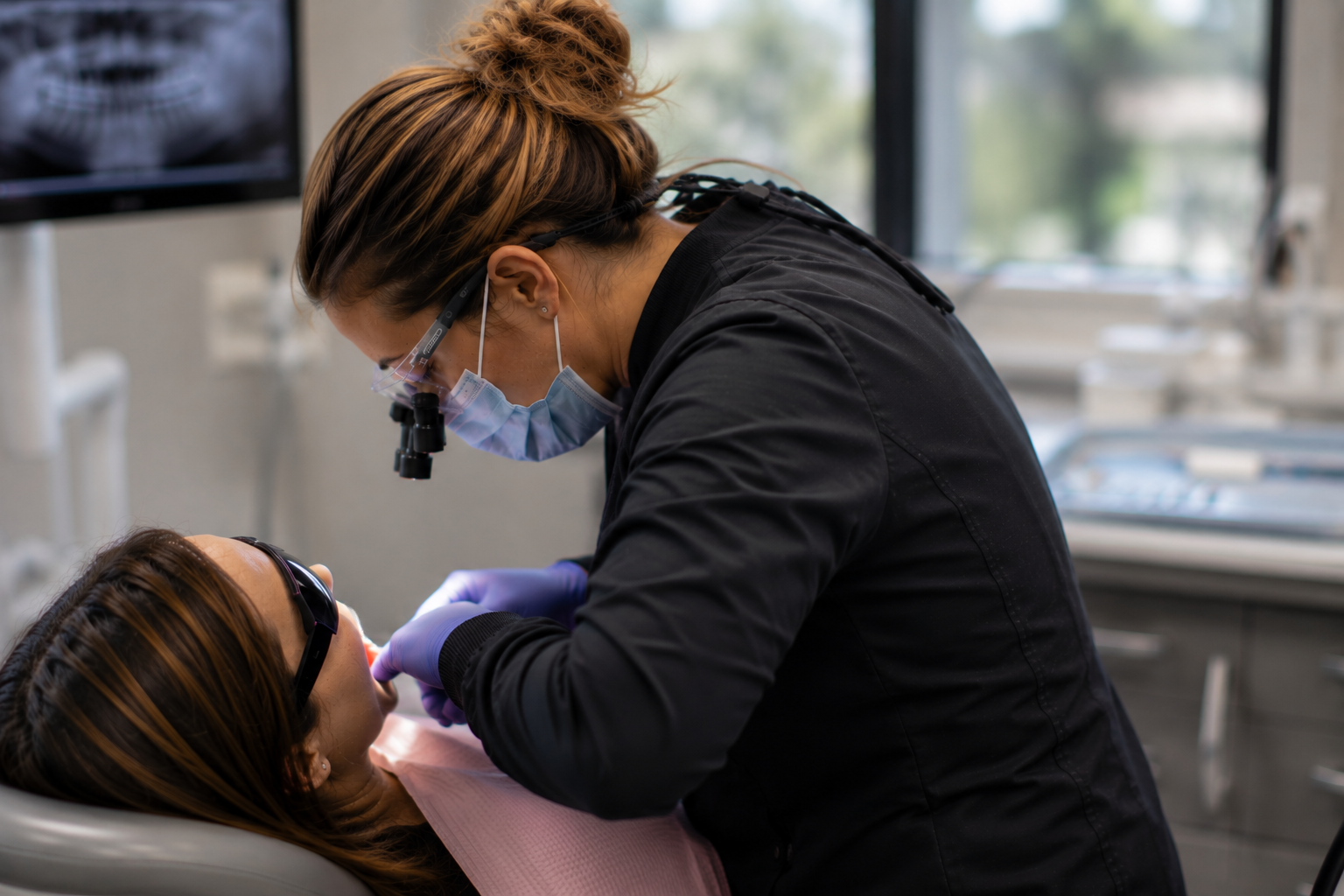
Many of us spend long hours leaning forward and holding fairly static positions during clinical work. Over time, that can create tension and compression through the spine.
When the spine is able to move more freely, it helps relieve some of that built-up tension from those forward-leaning positions. That freedom of movement supports better circulation and can benefit overall cardiovascular health as well.
Understanding Spinal Flexibility
The spine moves in six directions:
- Flexion (bending forward)
- Extension (bending backward)
- Lateral bending (to the right and left)
- Twisting (to the right and left)
Spinal flexibility means being able to move comfortably through all six directions with a good range of motion and no discomfort.
For hygienists, spinal alignment is also critical. Good posture not only supports your spine but also helps maintain healthy blood flow.
On the other hand, poor posture, like hunching over patients or craning your neck, can compress arteries and slow circulation. Think of it like a kinked garden hose.
Spinal Flexibility and Arterial Health
A rigid spine can lead to limited mobility and decreased circulation, which may contribute to issues like high blood pressure and reduced oxygen delivery to your organs. Over time, this can increase the risk of cardiovascular conditions such as heart disease and stroke.
For dental hygienists, maintaining spinal flexibility helps counteract the effects of prolonged sitting or standing in awkward positions. Stretching and mobility work can improve how the spine moves while also supporting healthy circulation through your arteries, helping them stay more flexible and resilient.
How Hygienists Can Improve Spinal Flexibility
1. Incorporate Movement Into Your Day
Activities like yoga, Pilates, or functional strength training are great for improving spinal flexibility. They can also help counteract the repetitive movements and static postures that come with dental work.
Even simple activities like walking, swimming, or doing a dynamic warm-up before your workday can help improve spinal mobility and support healthy circulation.
2. Stretch Regularly
Focus on spinal flexibility exercises like gentle twists, forward folds, and backbends. And don’t worry, you don’t need to master a full wheel pose.
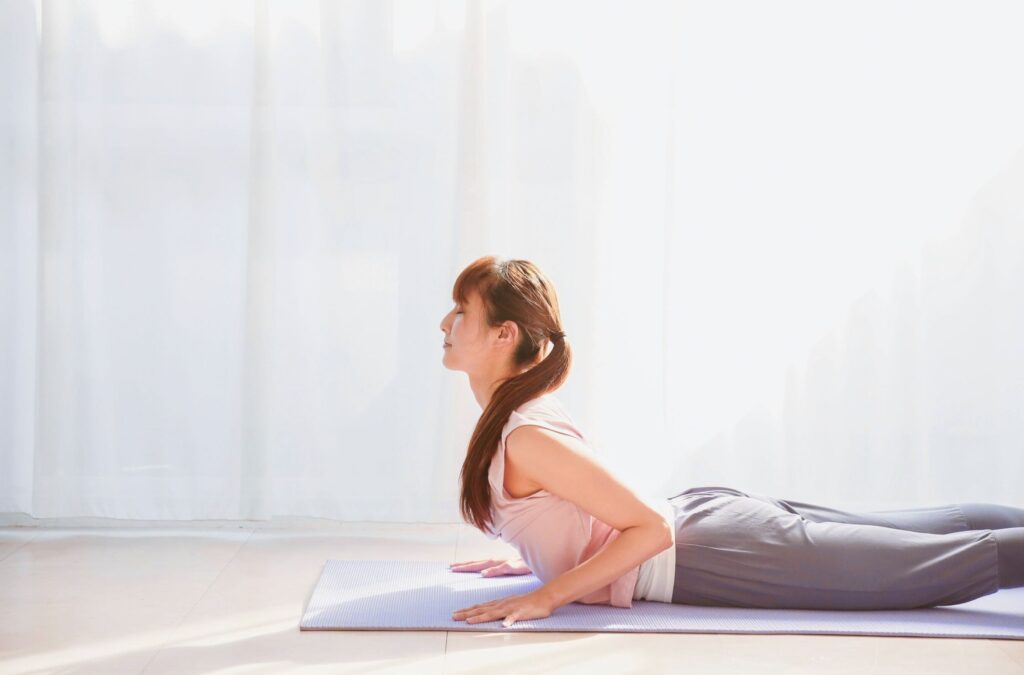
A simple stretch like Cobra Pose can make a big difference. It gently activates the mid-back and helps counteract the forward hunch many of us develop while working on patients.
Fun fact: Backbends include any movement that extends the upper back.
3. Check Your Ergonomics
If you know me, you know I don’t tend to rely on ergonomics alone. But they still play an important role.
Take a moment to check that your operatory setup supports your posture. Adjust your chair, patient positioning (as best as they’ll allow 😉), and your loupes to help minimize strain on your neck and spine.
4. Breathe Mindfully
Deep, diaphragmatic breathing isn’t just helpful for calming your nerves before a difficult patient appointment. It can also improve oxygenation and support spinal mobility.
When practicing a twist or backbend, try inhaling to create space through your torso and exhaling as you move deeper into the stretch. Over time, this can help increase your range of motion and flexibility.
Over time, this kind of breathing can also support healthy circulation by helping oxygen and blood move more efficiently through the body.
The Takeaway
Spinal flexibility can make a real difference for those of us working on patients all day. When your spine moves well, it can help reduce tension, support better posture, and keep your body feeling more comfortable throughout the clinical day.
So, move your spine in all six directions, stay mindful of your posture, and take a deep breath. A few simple adjustments can go a long way toward helping your body feel better at work and beyond.
Watch My Full Dynamic Warmup for Hygienists 👇