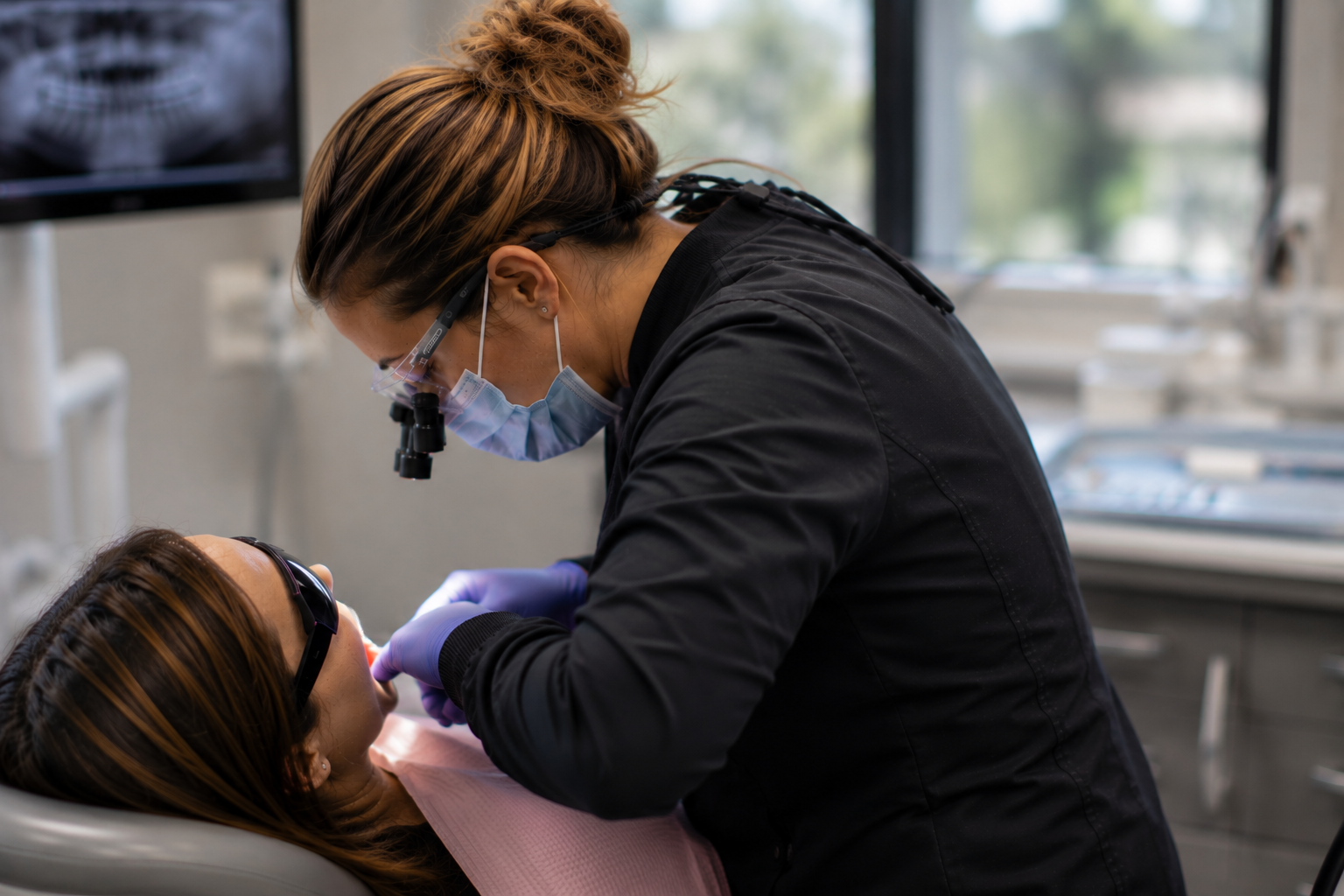

Have you ever been working on a patient when you felt it creep in…the “knot” between your shoulder blades? It burns. It radiates. It spasms. It’s enough to take your breath away.
But what is it? Why did it suddenly pop up? Why does it hurt so much?
You’ve likely heard it called a muscle knot, an adhesion, or maybe even a trigger point. Let’s take a look at these names and what’s actually happening.
What is Fascia?
First, let me just say that muscle fibers are incapable of getting “tied” in a knot. So take a big sigh of relief! 😅
So, what’s really happening?
What you’re feeling is often related to the fascia. Fascia is the connective tissue that surrounds and supports your muscles—each individual fiber, each bundle, all working together. (It’s found throughout the entire body, but we’ll keep the focus here on the muscles.)
Over time, especially with repetitive hygiene movements and static positions, certain areas can start to feel more restricted or less comfortable to move through.
This doesn’t happen all at once. It tends to build gradually. Then one day, you feel it while you’re working on a patient, and it seems like it came out of nowhere.

Fascia also has a close relationship with both the nervous system and blood flow. So when an area feels sensitive or limited, it can show up as that familiar “knot” feeling—tight, tender, and sometimes intense.
If we don’t give those areas some attention when they start to show up, they can become something you notice more consistently over time.
This is where regular movement and changing positions throughout the day can make a difference. It gives those areas a chance to stay adaptable instead of feeling like they’re taking on the same load over and over again.
What About Trigger Points?
Myofascial trigger points are often described as sensitive spots within muscle tissue that can feel tender to the touch and sometimes refer discomfort to other areas.
These spots are closely connected to how the surrounding tissue is functioning, including the fascia and the nervous system.
You’ll often hear terms like “trigger point,” “knot,” or “adhesion” used interchangeably. They’re not exactly the same, but they’re all describing that familiar spot that feels tight, sensitive, or restricted.
A trigger point usually refers to a more sensitive spot within a muscle, while “adhesion” is a broader term people use to describe an area that just doesn’t feel like it’s moving well.
What is Myofascial Release?
Myofascial release (myo = muscle and fascial = fascia) refers to manipulating the fascia to “release” the muscle. Remember, the surrounding tissue plays a role in how those areas feel and move.
By applying pressure and adding gentle movement, we can encourage those areas to feel a little more comfortable and move a little more freely over time.
This can be achieved through different tools and techniques, like cupping, targeted pressure with tools, and other hands-on approaches.
What should you do if you feel an adhesion?
Let’s say you feel an adhesion on the side of your neck. Trigger point release can help. By pressing on the adhesion and adding movement, we can help it feel less sensitive and easier to move through with increased blood flow:
- Press on the adhesion and move your neck to the opposite side
- Hold for 5-10 seconds
- Continue holding the adhesion as you return your head to the center
- Rub the area for a few seconds
- Repeat the above sequence 2 more times
- Do this a few times a day until the adhesion disappears (then continue with regular stretching and strength training to keep it from recurring)
- Follow up the session with 20 minutes of ice on the area

If it’s in an area you can’t reach (like between the shoulder blades), a tool like the Body Back Buddy can help.
In the example pictured above, you would raise the arm in front of you and lower it a few times to release the trigger point between the shoulder blades.
A few more tips to help remodel fascia…
Ideally, our fascia should be soft and pliable. This keeps us moving easier with less pain and ideal blood flow.
My favorite way to think about warming up the fascia for remodeling is to picture taffy. When you have taffy on a warm, summer day, it’s gooey and soft. But when you have it on a cold, winter day, it’s hard, brittle, and snaps easily. Fascial tissues are very similar.
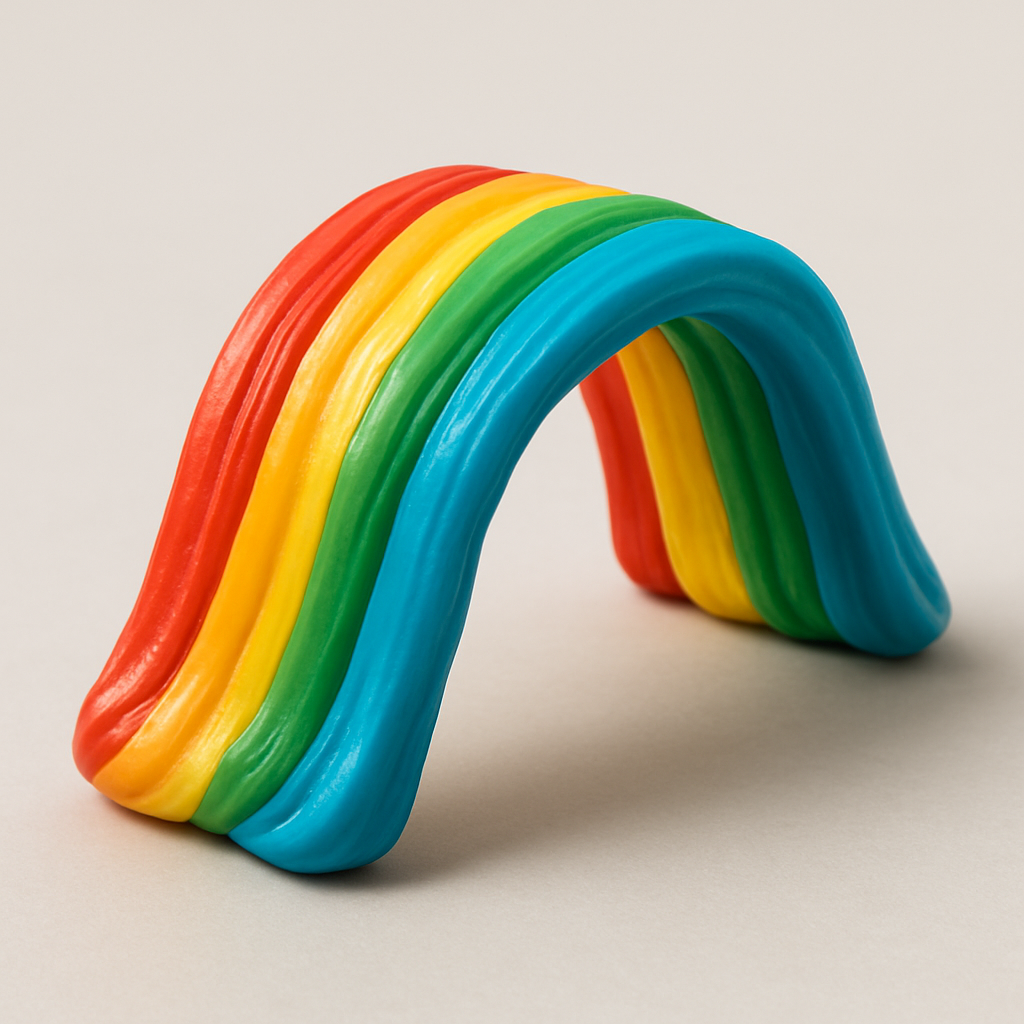
Fascia loves to be hydrated and warm before a myofascial release session. So do some light cardio, hit it with a heating pad, or simply soak in a warm bath—all while taking in some fluids to stay hydrated.
The Takeaway
A career in dental hygiene asks our bodies to work in very specific, repetitive ways. We can’t always avoid this, but we can train our bodies to be more resilient.
So whether you call it a knot, adhesion, or trigger point…just rest easy knowing that your muscles aren’t all tangled up and you have options to release them. And remember, heated and hydrated fascia remodels best. 💜