Functional yoga for dental hygienists isn’t just stretching. It supports the areas of your body that carry the most load during clinical days. And because hygiene is physical work, it’s no surprise when tight shoulders, a stiff lower back, or that familiar “hygiene hunch” start to creep in.
Functional yoga gives your body a chance to recalibrate. It builds mobility where you lose it, encourages healthy movement patterns, and helps smaller stabilizing muscles do their job so you can feel steadier and more comfortable at work (and at home).
Why Functional Yoga Matters for Dental Hygienists
Dental hygiene naturally leads to certain strain patterns because we repeat the same movements all day. We sit or stand in the same positions for long periods. We adjust ourselves around each patient (as much as we try to position them correctly…it happens). We roll our shoulders forward. We crane our necks. Even when our ergonomics are pretty good, the repetition adds up fast.
Over time, that leads to stiffness, limited range of motion, and muscles working harder than they should…leading to fatigue. Functional yoga supports the areas that tend to take the brunt of our work. It keeps your joints moving, supports tissues that get overloaded, and helps restore balance so your posture feels more natural again.
What Makes Yoga “Functional” for Clinicians?
Not all yoga is the same. Functional yoga focuses on patterns of movement that help you feel better in your daily life, including the operatory. Instead of big dramatic stretches, it uses gentle mobility work, controlled strength, and mindful breath cues that translate directly into how you move while treating patients.
Think of it as training your body for the real-life positions you use every day. More ease in your thoracic spine. More support around your scapula. More mobility in your hips. Functional yoga makes those movements accessible again.
Mobility Areas Every Dental Hygienist Should Prioritize
Upper Back and Thoracic Extension
This area becomes limited quickly in hygiene. When the upper back stiffens, the neck and shoulders work overtime. That’s where tension headaches creep in and where a lot of hygienists feel tightness at the end of the day.
Improving thoracic extension helps you sit taller, rotate more comfortably, and reduce the strain that travels up into the neck.
Shoulders and Scapular Support
Hygienists often feel fatigue around the shoulder blades. That’s because our rotator cuff and scapular stabilizers work constantly during scaling, polishing, charting, etc. When they aren’t functioning well, the upper traps take over, and everything feels tight.
Functional yoga helps wake up the muscles that should be contributing, so your shoulders feel less overloaded.
Hips and Hamstrings
Sitting between patients, shifting your weight, or leaning in repeatedly can make your hips feel tight. When the hips lose mobility, the lower back compensates, and you feel it by the end of the week.
A little hip and hamstring mobility goes a long way in protecting your lower back and improving your posture in the op.
Wrists and Forearms
The static grip required during scaling catches up with all of us. Mobility plus gentle strengthening in this area supports your grip, reduces fatigue, and creates more ease during the fine motor work we do all day.
Simple Functional Yoga Poses for Dental Hygienists
These are the poses from my own early days of practicing functional yoga, and they still hold up. You don’t need a big routine. A handful of intentional movements can help your body feel more supported through long clinical days.
Downward Dog

Downward Dog is one of the best full-body stretches you can do. It lengthens the back of the legs, opens the shoulders, and gently strengthens the upper body. Hygienists love this one because it counters so much of what we do all day…especially the forward-leaning positions that tighten the chest and shorten the front side of the body.
It’s also a great way to check in with your breathing. A few slow breaths here can help your upper back release some of its tension. (Probably best to do this one at home…I know my hands are not going anywhere near my operatory floor! 😷)
Standing Cat-Cow
This is one of my favorite ways to loosen up the upper back when I don’t want to get down on the mat. Standing Cat–Cow helps restore thoracic mobility, which plays a huge role in how your neck and shoulders feel. When your upper back moves well, your posture feels more natural and less forced.
You can do this using a counter or even the wall. It’s quick, gentle, and feels amazing during breaks or at the end of the day.

Crescent Moon Pose

Crescent Moon is a simple side-body stretch with a big payoff. Hygienists reach and rotate constantly, and the sides of the body take on more tension than most people realize. Stretching this area helps you breathe easier, stand taller, and move with more ease when you’re adjusting around your patient chair.
It stretches the shoulders, the outer hips, and the areas along the ribs that often feel tight after a long day of clinical work.
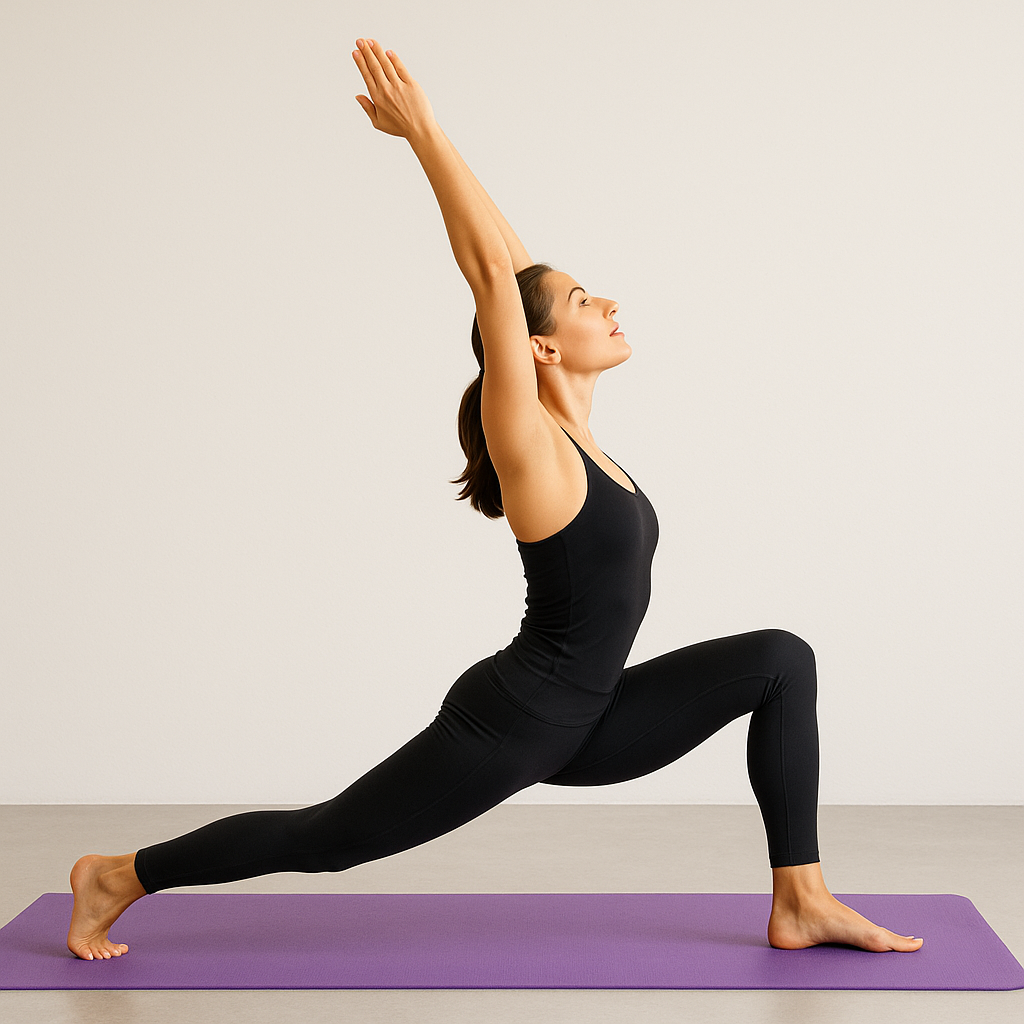
Crescent Lunges
This pose is a gift for the front of the hips. Sitting, leaning, and turning toward our patients over and over again can make the hip flexors work harder than they need to. Tight hip flexors can pull on the lower back, which is a big contributor to end-of-day stiffness.
A gentle lunge helps restore length, support the lower back, and make it easier to maintain more comfortable posture during your clinical days.
Wide-Legged Forward Fold (Halfway Version)

This variation targets the lower hamstrings (the exact area that tends to tighten in hygienists). When your hamstrings have more give, your lower back feels less stressed and your posture feels steadier.
Folding only halfway (to a flat back) shifts the work into the hamstrings and core in a way that supports real-life movement patterns. It’s strong, stretchy, and grounding all at once. 😅
A Regular Practice Makes a Real Difference
Practicing functional yoga even a couple of times a week can help your body feel more supported during the demands of dental hygiene. The goal isn’t perfection. It’s consistency. Every small bit of movement you add helps your body feel steadier and more resilient through long clinical days.
How Breathwork Supports Your Body in the Operatory
Many hygienists don’t realize how often we hold our breath when we’re concentrating. Breath-holding creates more neck and shoulder tension. Slow, steady breathing helps calm those muscles and improves circulation throughout the day.
Diaphragmatic breathing also boosts venous return. When pressure changes inside the chest and abdomen during slow breathing, it encourages blood to move upward, which is especially helpful when you’ve been sitting or standing for long periods.
Just a few slow breaths between patients can help your muscles feel less guarded and more supported.
Small, Realistic Ways to Add Functional Yoga Into Your Week
You don’t need a full class to feel better. Try choosing one small moment each day:
- A few spinal mobility reps before your first patient
- A simple hip stretch at lunch
- A short breathing reset before you begin your afternoon patients
- A gentle evening routine when your body feels wound up
The Takeaway
Consistent, simple habits make the biggest difference over time. And when you’re dealing with the same shoulder blade ache every night, the tight neck that hits by 10 a.m., or the hand fatigue that shows up before lunch, even a little support goes a long way.
Hygienists push through a lot. Long days. Repetitive strain. That “everything feels off” kind of exhaustion. Functional yoga gives your body a chance to feel steady again. Not perfect. Just supported enough that you don’t end every day feeling worn down.
Your work matters. Your body matters just as much. And you deserve to feel good doing the job you’re great at. 💜
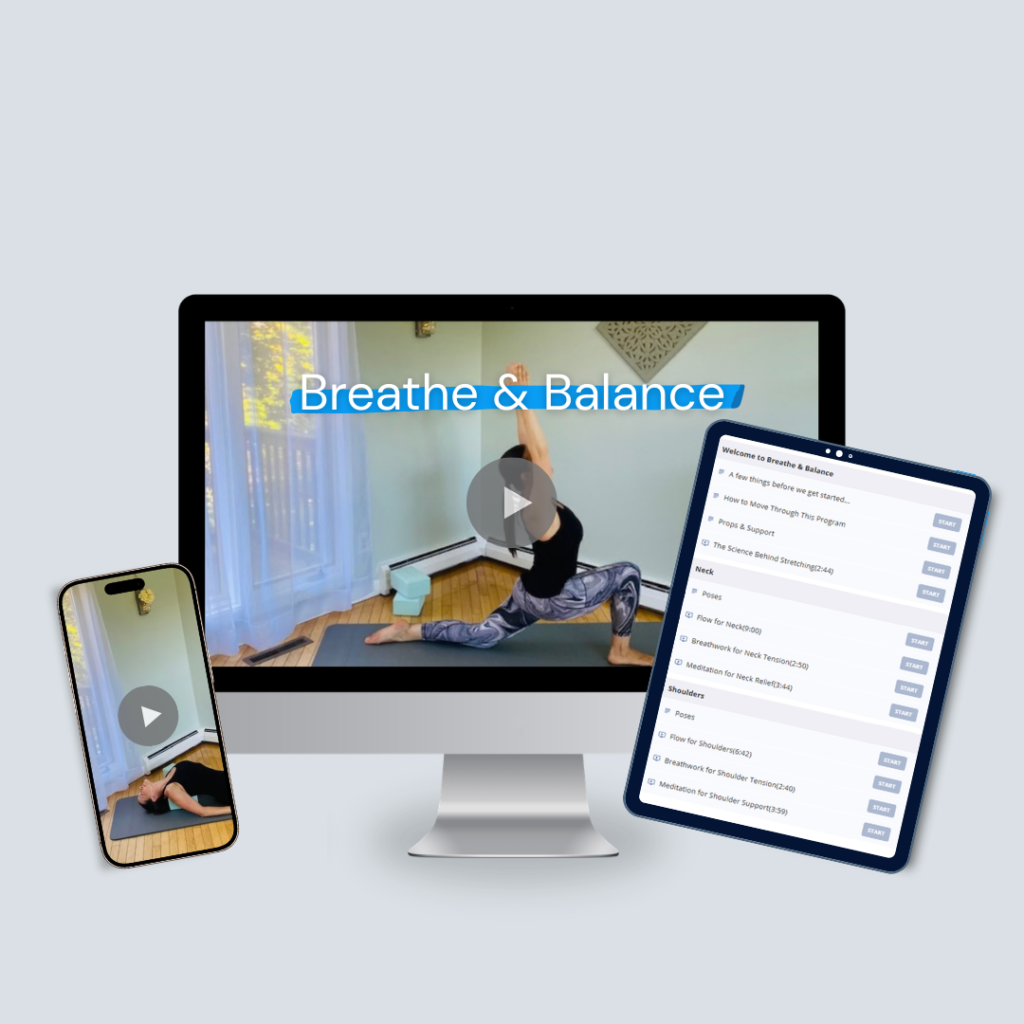
Do your neck and shoulders feel tight after a full day of patients?
Many dental hygienists find that gentle mobility and nervous system support help their bodies recover after long clinical days.
Breathe & Balance
A yoga-based mobility and nervous system support program created specifically for dental hygienists.